Tel: (325) 455-1889

August 29, 2025
Elevator and Escalator Accidents: When Property Owners Fail to Keep You Safe
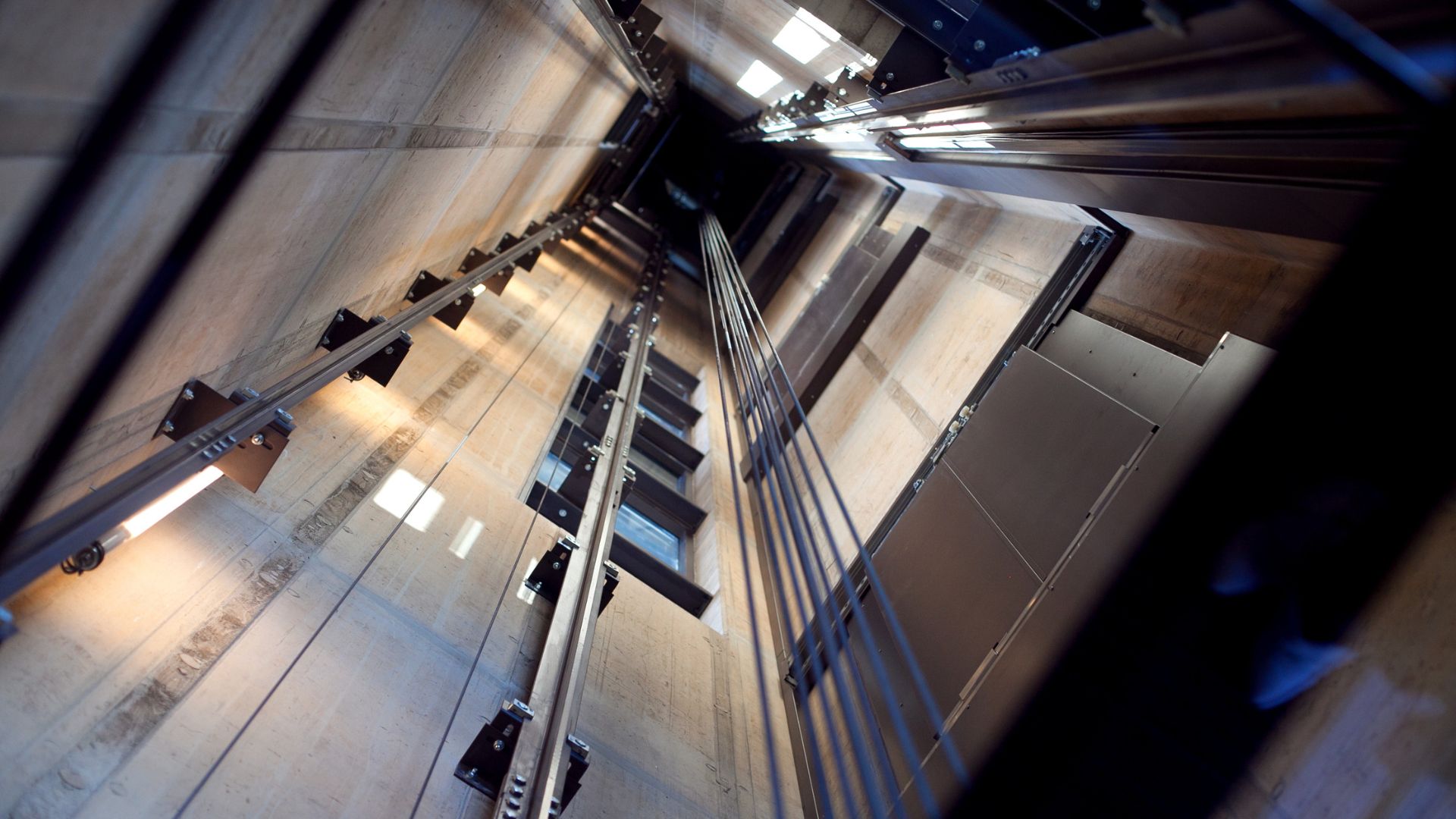
Elevator and Escalator Accidents: When Property Owners Fail to Keep You Safe
Elevators and escalators are part of daily life in Texas, especially in hotels, office buildings, malls, and airports. Most people step onto one without thinking twice about safety. These machines are designed to make our lives easier by moving people quickly and efficiently. But when they are poorly maintained or not properly monitored, they can become dangerous. Injuries from elevator and escalator accidents may cause life-altering harm, leaving victims with steep medical bills, lost wages, and long recoveries.
In many cases, these accidents are preventable. Property owners, managers, and maintenance companies have a responsibility to keep elevators and escalators safe for public use. When they fail in that duty, victims may have legal claims under Texas premises liability laws. Understanding how these accidents happen, who may be liable, and what to do if you’ve been injured is essential for protecting your rights.
Common Causes of Elevator and Escalator Accidents
Elevators and escalators are complicated systems requiring consistent inspections and regular upkeep. When they’re neglected, even a small malfunction can cause major harm.
- Mechanical malfunctions: sudden drops, uneven stops, or doors that close too quickly.
- Poor maintenance: skipped inspections, ignored repair reports, or expired safety certifications.
- Electrical failures: faulty wiring or control panel errors leading to sudden jolts or shutdowns.
- Design or manufacturing defects: defective parts that cause unexpected breakdowns.
- Trip hazards: loose panels, missing screws, or gaps in escalator steps.
- Inadequate supervision: no staff available to respond quickly to emergencies.
Each of these issues puts passengers at risk of falls, crush injuries, entrapment, or worse. The responsibility to prevent these dangers typically falls on the property owner and whoever is contracted to maintain the equipment.
Types of Injuries from Elevator and Escalator Accidents
Because elevators and escalators involve moving machinery, the injuries they cause can be catastrophic. Victims often suffer broken bones from falls, head injuries, spinal cord damage, crush injuries from closing doors, and even amputations from escalator entrapments. Recovery from these injuries can take months or years, and for some victims, life is permanently altered with long-term disability requiring ongoing care.
Who Is Responsible?
Determining responsibility for elevator and escalator accidents can be complex. Multiple parties may share liability. Property owners and managers have the primary duty of care to keep their premises safe. Maintenance companies may be held liable if they performed faulty repairs or skipped inspections. Manufacturers could share responsibility if defective equipment contributed to the accident. Even third-party contractors like cleaning crews could face liability if their negligence created unsafe conditions.
In Texas, premises liability law requires showing that the responsible party knew—or should have known—about the dangerous condition and failed to take reasonable steps to fix or warn about it.
Negligence and Duty of Care
Elevator and escalator accident cases hinge on whether the property owner breached their duty of care. Negligence may include failing to perform inspections, ignoring tenant complaints, using unqualified contractors, or not posting warning signs when equipment is out of order. Texas law holds property owners to a high standard because these machines are considered inherently dangerous. When owners cut corners, they put every visitor at risk.
For more information on building safety codes and requirements, visit the Texas Department of Licensing and Regulation.
Steps to Take After an Elevator or Escalator Accident
If you’re injured, the steps you take immediately afterward can strengthen your legal case. Seek medical attention right away. Report the incident to the property owner or manager and ask for a copy of the report. Document everything by taking photos or videos of the equipment, surrounding area, and lack of warning signs. Gather witness information, keep all records related to your injury, and contact a personal injury attorney before giving detailed statements to insurance adjusters.
Compensation for Victims
Victims of elevator and escalator accidents in Texas may be entitled to compensation for medical expenses, lost wages, pain and suffering, and long-term disability damages such as mobility aids or home modifications. The exact amount depends on the severity of the injuries, the circumstances of the accident, and the available insurance coverage.
Texas Law and Deadlines
Under Texas law, most personal injury cases must be filed within two years of the accident. If the accident occurs on government property, shorter deadlines may apply under the Texas Tort Claims Act. Victims may need to provide notice within six months, making it critical to speak with an attorney as soon as possible.
How Low Law Firm Helps
At Low Law Firm, Tara Gilmore-Low and her team know the complexities of elevator and escalator accident cases. We investigate maintenance records, consult mechanical experts, interview witnesses, review surveillance footage, and negotiate aggressively with insurance companies. If a fair settlement is not offered, we are prepared to take the case to trial.
Safety Tips for Elevator and Escalator Use
Although property owners bear the main responsibility, passengers can reduce risk by standing clear of doors, holding handrails, avoiding overloading elevators, not forcing doors open, and reporting malfunctions immediately. For additional safety guidance, visit the U.S. Consumer Product Safety Commission.
Final Thoughts
Elevators and escalators are supposed to be safe, reliable conveniences, not hazards. When property owners or maintenance companies fail to do their jobs, innocent people can pay the price. Victims of these accidents often face more than physical pain—they deal with financial strain, lost time at work, and emotional trauma. Holding negligent parties accountable not only helps victims recover but also promotes safer practices across Texas.
If you or someone you love has been injured in an elevator or escalator accident, the Low Law Firm is here to help. We serve clients in Abilene and throughout the Big Country, working tirelessly to secure justice and fair compensation. Contact us today for a free consultation and let us fight for your rights.
Recent Articles

Mar. 27, 2026
How Insurance Companies Investigate Accident Claims After a Serious Injury

Mar. 20, 2026
Who Can File a Wrongful Death Claim in Texas? Understanding Family Rights After a Fatal Accident
Mar. 13, 2026
What Happens When the At-Fault Driver Has No Insurance?

Mar. 06, 2026
What Is Considered Wrongful Death in Texas?

Feb. 27, 2026
Accident Evidence in Texas Injury Claims: What Strengthens or Weakens Your Case
Find Us On The Map
The Low Law Building is located in south Abilene at 7242 Buffalo Gap Rd, on a sprawling 1.5 acres campus with handicap parking.
BUSINESS HOURS:
Monday – Friday : 9:00 AM – 5:00 PM
Saturday – Sunday : Closed