Tel: (325) 455-1889

March 13, 2026
What Happens When the At-Fault Driver Has No Insurance?
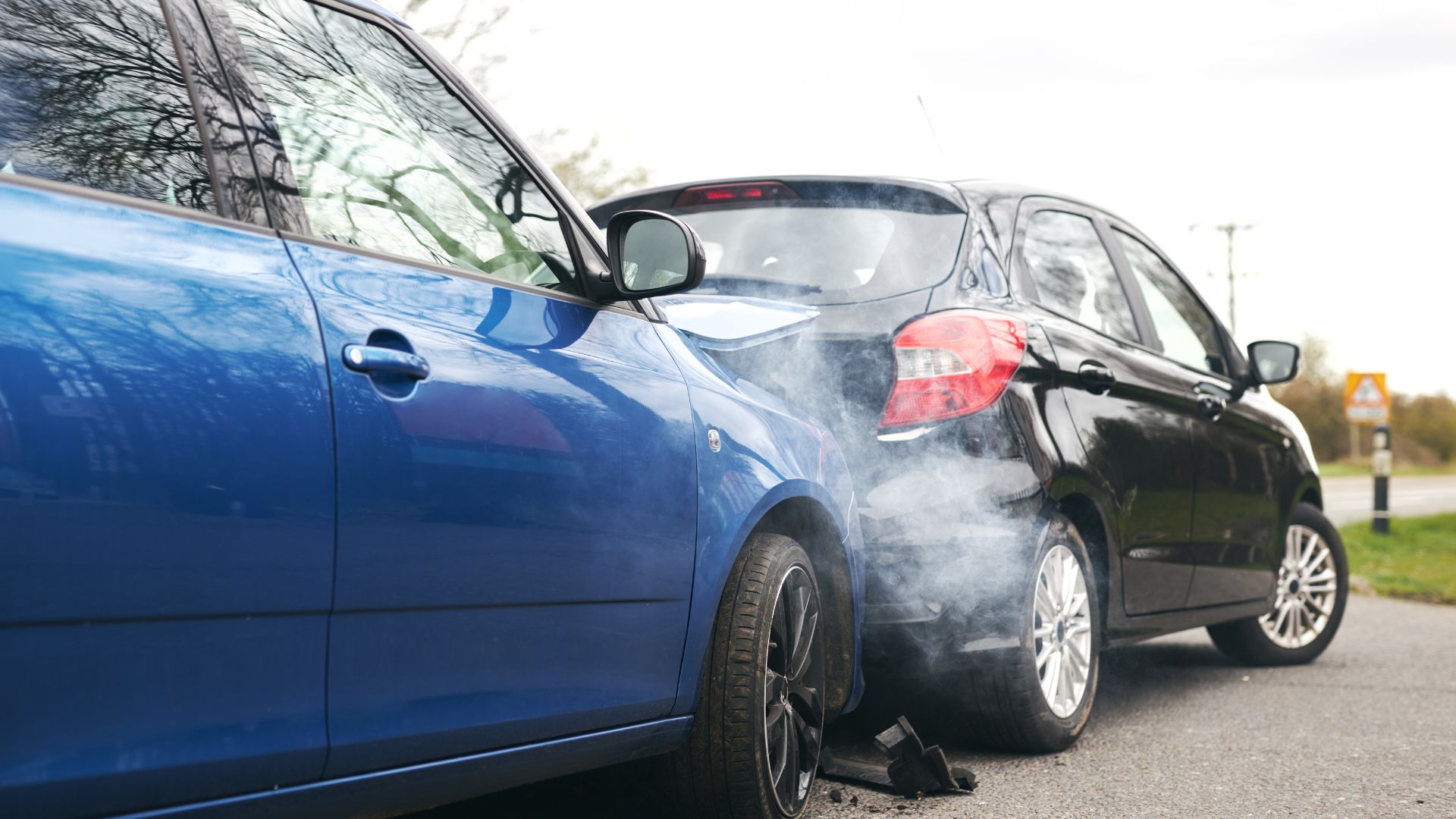
Car accidents are stressful enough on their own. But when the driver responsible for the crash does not have insurance, the situation can become far more complicated. Unfortunately, this scenario is more common than many people realize. Despite legal requirements, a significant number of drivers on Texas roads operate vehicles without insurance coverage.
For injured drivers, discovering that the at-fault driver lacks insurance can create immediate concerns about how medical bills, lost wages, and vehicle damage will be paid. This is where uninsured motorist coverage, often referred to as UM coverage, becomes important.
Uninsured motorist coverage is designed to protect drivers when the person responsible for the accident cannot cover the costs of the harm they caused. Understanding how this type of coverage works can help accident victims protect their rights and avoid common misunderstandings during the claims process.
This article explains what uninsured motorist coverage is, why it matters, how claims are handled in Texas, and what injured drivers should know after a crash involving an uninsured driver.
The Reality of Uninsured Drivers in Texas
Texas law requires drivers to carry minimum liability insurance in order to legally operate a vehicle. These policies are intended to provide financial protection if a driver causes an accident that injures someone else or damages their property.
However, not every driver follows these rules. Some motorists drive without coverage entirely, while others carry policies that have lapsed or been canceled.
When an uninsured driver causes an accident, the injured person may find themselves facing medical bills and repair costs without an obvious source of compensation.
General information about Texas driver insurance requirements and roadway safety can be found through the Texas Department of Transportation (txdot.gov).
What Uninsured Motorist Coverage Is
Uninsured motorist coverage is a type of protection included in many auto insurance policies. It allows injured drivers to pursue compensation through their own insurance policy if the at-fault driver does not carry liability insurance.
In Texas, insurance companies are required to offer uninsured motorist coverage when a policy is issued. Drivers can reject this coverage in writing, but many policies include it by default.
UM coverage may help cover:
- Medical expenses resulting from the accident
- Lost income due to injuries
- Pain and suffering related to the crash
- Vehicle damage in certain situations
Although the claim is made through the injured person’s own insurer, the insurance company may still investigate the accident and evaluate liability just as they would in a standard injury claim.
Situations Where Uninsured Motorist Coverage May Apply
Uninsured motorist coverage is not limited to situations where the at-fault driver has no insurance at all. Several different scenarios may trigger a UM claim.
Common situations include:
- Accidents caused by drivers who have no active insurance policy
- Hit-and-run crashes where the responsible driver cannot be identified
- Accidents involving drivers whose insurance has been canceled or denied coverage
In hit-and-run cases, victims often rely heavily on uninsured motorist coverage because there may be no other party available to pursue for compensation.
Why UM Claims Can Still Become Disputed
Many drivers assume that filing a claim with their own insurance company will be simple and straightforward. In reality, uninsured motorist claims can become heavily contested.
Even though the claim is made under the injured person’s policy, the insurance company may still dispute fault, challenge the severity of injuries, or question the value of the damages being claimed.
Because the insurer must pay compensation if the claim succeeds, the company has a financial incentive to carefully evaluate and sometimes challenge the claim.
Texas law governing insurance and liability matters can be found in the Texas Civil Practice and Remedies Code (statutes.capitol.texas.gov).
The Importance of Evidence in UM Claims
Evidence plays a major role in uninsured motorist cases. Because the responsible driver may not have insurance coverage, the injured person must rely heavily on documentation to support the claim.
Important evidence may include:
- Police reports describing how the accident occurred
- Photographs of the accident scene and vehicle damage
- Witness statements confirming what happened
- Medical records linking injuries to the crash
- Repair estimates or vehicle damage documentation
In hit-and-run situations, evidence such as surveillance footage or witness descriptions may be especially important.
Medical Documentation and Injury Claims
Medical records are one of the most important forms of evidence in any injury claim. They establish the nature of the injury, the treatment received, and the connection between the accident and the harm suffered.
Delays in seeking medical care may allow insurance companies to argue that the injuries were unrelated to the crash. Prompt medical evaluation helps create a clear timeline linking the accident to the injury.
These records are often used when calculating damages such as medical expenses, lost wages, and long-term care needs.
Why Legal Guidance May Be Helpful
Because uninsured motorist claims involve complex insurance rules and detailed investigations, injured individuals may benefit from legal guidance during the process.
An attorney can help evaluate the policy coverage, review the circumstances of the accident, and ensure that the insurance company properly evaluates the claim.
Legal representation can also help address disputes about liability or the value of damages.
How Low Law Firm Assists Injured Drivers
At Low Law Firm, attorney Tara Gilmore-Low works with individuals who have been injured in accidents involving uninsured or financially irresponsible drivers. These cases often require careful review of insurance policies and thorough investigation of the accident itself.
By examining the evidence and the available coverage, the firm helps injured clients pursue compensation for medical expenses, lost income, and other damages related to the crash.
While uninsured motorist coverage exists to provide protection, navigating the claims process can still present challenges without proper guidance.
What Drivers Should Do After an Accident With an Uninsured Motorist
If you are involved in an accident and suspect the other driver may be uninsured, several steps may help protect your rights.
Seek medical attention if injuries are present, report the accident to law enforcement, and document the scene if it is safe to do so. Gathering witness information and photographs can also be valuable.
It is also important to notify your insurance company promptly while being cautious about providing recorded statements before understanding your rights.
FAQs
What is uninsured motorist coverage?
Uninsured motorist coverage is insurance that protects you if the driver who caused the accident does not carry liability insurance.
Is uninsured motorist coverage required in Texas?
Insurance companies must offer the coverage, but drivers may decline it in writing.
Does uninsured motorist coverage apply to hit-and-run accidents?
Yes. UM coverage often applies when the responsible driver cannot be identified.
Can my own insurance company dispute the claim?
Yes. Even though the claim is filed through your policy, the insurer may still investigate liability and damages.
Should I speak with an attorney before filing a UM claim?
Legal guidance can help ensure the claim is handled fairly and that all available compensation is pursued.
Recent Articles
Mar. 27, 2026
How Insurance Companies Investigate Accident Claims After a Serious Injury

Mar. 20, 2026
Who Can File a Wrongful Death Claim in Texas? Understanding Family Rights After a Fatal Accident
Mar. 06, 2026
What Is Considered Wrongful Death in Texas?

Feb. 27, 2026
Accident Evidence in Texas Injury Claims: What Strengthens or Weakens Your Case

Feb. 20, 2026
Commercial Vehicle Accidents in Texas: How Liability Differs from Car Crashes
Find Us On The Map
The Low Law Building is located in south Abilene at 7242 Buffalo Gap Rd, on a sprawling 1.5 acres campus with handicap parking.
BUSINESS HOURS:
Monday – Friday : 9:00 AM – 5:00 PM
Saturday – Sunday : Closed