Tel: (325) 455-1889

March 6, 2026
What Is Considered Wrongful Death in Texas?
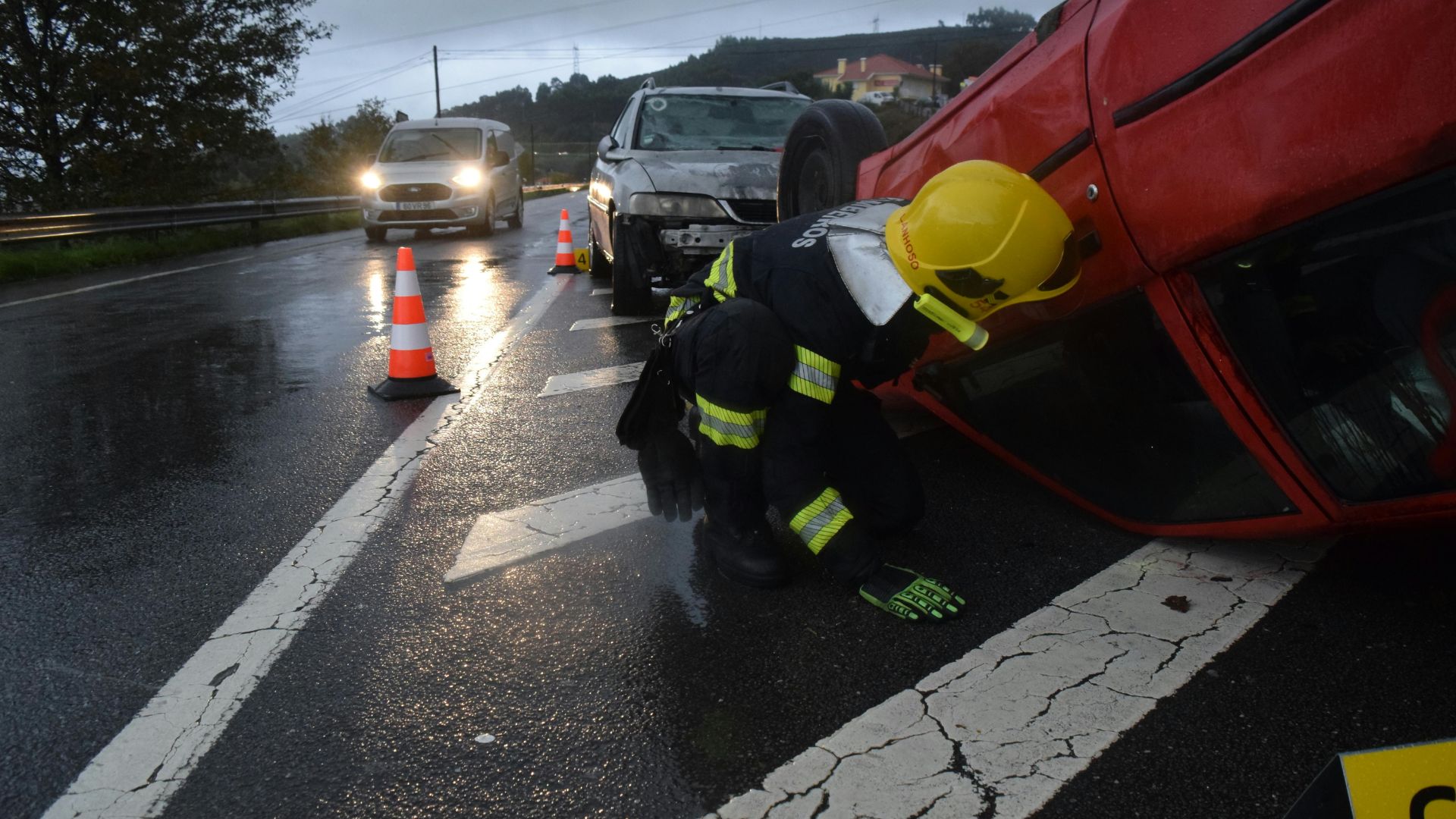
The loss of a loved one is one of the most devastating experiences a family can face. When that loss is caused by someone else’s negligence or reckless actions, the emotional toll can be even more overwhelming. In Texas, these situations may give rise to what is legally known as a wrongful death claim.
While many people associate wrongful death cases with dramatic courtroom stories or high-profile lawsuits, the reality is often far more personal. Wrongful death claims commonly arise from everyday accidents that should never have happened. Car crashes, workplace incidents, dangerous property conditions, and unsafe products can all lead to tragedies that leave families searching for answers.
Understanding what legally qualifies as wrongful death is an important first step for families who are trying to navigate the aftermath of a fatal accident. This article explains how Texas law defines wrongful death, the types of incidents that often lead to these claims, who may bring a case on behalf of the deceased, and why early investigation can be critical.
What Texas Law Defines as Wrongful Death
Under Texas law, a wrongful death occurs when a person dies as a result of another party’s negligent, careless, or intentional actions. In other words, if the victim would have been able to pursue a personal injury claim had they survived the incident, their death may give rise to a wrongful death case.
Texas wrongful death laws are outlined in the Texas Civil Practice and Remedies Code (statutes.capitol.texas.gov).
The purpose of these laws is to provide a legal pathway for surviving family members to seek accountability and compensation when negligence leads to a fatal outcome. While financial compensation cannot undo the loss, the legal process can help families address medical expenses, funeral costs, lost financial support, and other damages that arise after a sudden death.
Wrongful death claims are civil cases, meaning they are separate from any criminal charges that may be filed. Even if criminal charges are not pursued, a civil wrongful death claim may still be possible if negligence can be proven.
Common Accidents That Lead to Wrongful Death Claims
Wrongful death cases often arise from situations where safety rules were ignored or reasonable precautions were not taken. Many fatal incidents stem from everyday circumstances that became dangerous because someone failed to act responsibly.
Some of the most common situations that may lead to wrongful death claims include:
- Motor vehicle accidents caused by reckless or distracted drivers
- Workplace accidents involving unsafe equipment or conditions
- Medical negligence or surgical errors
- Dangerous property conditions that lead to fatal injuries
- Defective products that cause serious harm
Traffic-related incidents are among the most common causes of wrongful death claims in Texas. Information about roadway safety and accident statistics can be found through the Texas Department of Transportation (txdot.gov).
Although the circumstances surrounding each case differ, these incidents often share one key factor: preventable negligence.
The Role of Negligence in Wrongful Death Cases
At the center of every wrongful death claim is the concept of negligence. Negligence occurs when someone fails to exercise reasonable care and that failure results in harm to another person.
For a wrongful death claim to succeed, several elements must typically be established:
- A duty of care existed
- That duty was breached
- The breach caused the fatal injury
- The death resulted in measurable damages
For example, drivers have a duty to operate their vehicles safely and obey traffic laws. If a driver ignores those responsibilities and causes a fatal crash, that failure may constitute negligence.
Establishing negligence requires evidence. Police reports, medical documentation, witness statements, accident reconstruction analysis, and expert testimony may all play a role in determining how and why the fatal incident occurred.
Wrongful Death Claims vs. Criminal Cases
Many families assume that a wrongful death claim only exists if criminal charges are filed. In reality, civil and criminal cases operate independently.
A criminal case focuses on punishing the offender and is pursued by the state. A wrongful death case focuses on compensating the surviving family members and is pursued through the civil court system.
Because the standards of proof differ, it is possible for a wrongful death claim to succeed even if criminal charges are not filed or do not result in a conviction.
This distinction often surprises families who initially believe that the legal process depends entirely on a criminal investigation.
Who May Be Held Responsible in a Wrongful Death Case
Liability in a wrongful death case may extend beyond a single individual. Depending on the circumstances, several parties may share responsibility for the fatal incident.
Responsible parties may include:
- Negligent drivers involved in fatal collisions
- Employers whose workplace conditions caused a fatal accident
- Property owners who failed to address dangerous hazards
- Manufacturers of defective or unsafe products
- Companies responsible for negligent employees
Identifying all responsible parties is an important step in a wrongful death investigation. Multiple parties may share liability, and each may carry separate insurance coverage.
Why Evidence Matters in Fatal Accident Cases
Evidence plays a critical role in wrongful death cases because the victim is no longer able to describe what happened. As a result, investigators must rely heavily on physical evidence, documentation, and expert analysis to reconstruct the events leading to the fatal injury.
Important evidence may include accident scene photographs, surveillance footage, vehicle damage patterns, workplace records, and medical documentation.
Because scenes change quickly and memories fade, early investigation is often essential. Preserving evidence soon after the incident can help prevent disputes about what occurred.
How Low Law Firm Helps Families After a Fatal Accident
At Low Law Firm, attorney Tara Gilmore-Low understands that wrongful death cases are about more than legal claims. They involve families coping with grief, unanswered questions, and sudden financial pressures.
The firm works to investigate the circumstances of the fatal incident, identify responsible parties, and pursue accountability through the civil legal system. This process often involves reviewing accident reports, consulting experts, and analyzing evidence to build a clear picture of what happened.
By focusing on the facts surrounding the incident, the firm helps families seek justice while navigating a difficult and emotional time.
What Families Should Do After a Fatal Accident
In the aftermath of a fatal accident, families are often overwhelmed with decisions and responsibilities. While legal matters may not be the immediate priority, certain steps can help protect their rights.
Seeking copies of accident reports, preserving medical documentation, and documenting the circumstances surrounding the incident may all be important. Families should also be cautious when speaking with insurance representatives before fully understanding their legal options.
Consulting an attorney can help clarify whether a wrongful death claim may be appropriate.
FAQs
What qualifies as wrongful death in Texas?
A wrongful death occurs when a person dies due to another party’s negligence, carelessness, or intentional misconduct.
Is wrongful death the same as a criminal case?
No. Wrongful death claims are civil cases that seek compensation for surviving family members, while criminal cases focus on punishment.
What types of accidents commonly lead to wrongful death claims?
Car accidents, workplace incidents, medical negligence, dangerous property conditions, and defective products are common causes.
How is negligence proven in a wrongful death case?
Negligence is established through evidence such as accident reports, witness statements, medical records, and expert analysis.
Why should families consider speaking with an attorney?
An attorney can investigate the circumstances of the fatal incident, identify responsible parties, and help families understand their legal options.
Recent Articles

Mar. 27, 2026
How Insurance Companies Investigate Accident Claims After a Serious Injury

Mar. 20, 2026
Who Can File a Wrongful Death Claim in Texas? Understanding Family Rights After a Fatal Accident

Mar. 13, 2026
What Happens When the At-Fault Driver Has No Insurance?

Feb. 27, 2026
Accident Evidence in Texas Injury Claims: What Strengthens or Weakens Your Case

Feb. 20, 2026
Commercial Vehicle Accidents in Texas: How Liability Differs from Car Crashes
Find Us On The Map
The Low Law Building is located in south Abilene at 7242 Buffalo Gap Rd, on a sprawling 1.5 acres campus with handicap parking.
BUSINESS HOURS:
Monday – Friday : 9:00 AM – 5:00 PM
Saturday – Sunday : Closed