Tel: (325) 455-1889

March 27, 2026
How Insurance Companies Investigate Accident Claims After a Serious Injury
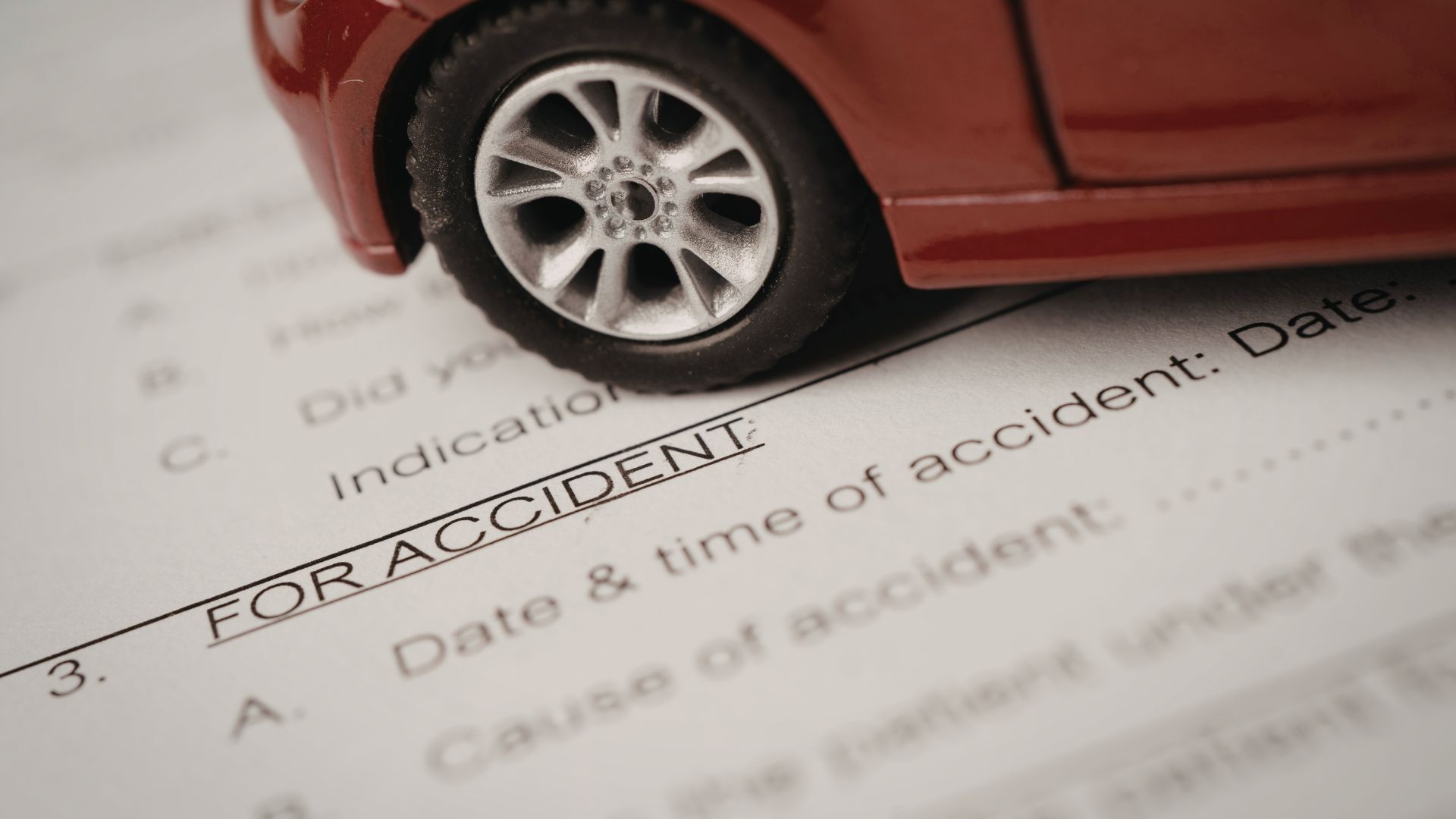
After a serious accident, many people assume the claims process will be straightforward. Once the crash is reported and medical records are submitted, they expect the insurance company to review the claim and provide compensation if another driver was responsible. In reality, insurance companies conduct detailed investigations before paying significant injury claims.
These investigations are designed to determine liability, verify the extent of injuries, and evaluate how much compensation the insurer may ultimately be responsible for paying. For injured individuals, understanding how this process works can help explain why insurers request documentation, why some claims take time to resolve, and why disputes sometimes arise.
This article explains how insurance companies investigate accident claims, what types of evidence they review, and why early documentation can make a significant difference in the outcome of a case.
Why Insurance Companies Investigate Accident Claims
Insurance companies are responsible for paying claims when their policyholder is legally liable for damages. Before issuing payment, insurers typically evaluate whether the policy applies and whether the damages claimed are supported by evidence.
Most insurance investigations focus on three key questions:
- Who caused the accident
- What injuries resulted from the crash
- What financial damages occurred
Even when fault seems obvious at first, insurers often conduct a full investigation to confirm the facts surrounding the accident.
General roadway safety information and crash reporting standards in Texas are available through the Texas Department of Transportation (txdot.gov).
The Role of Police Reports
Police reports are often one of the first documents reviewed during an insurance investigation. These reports typically include the responding officer’s description of the crash scene, statements from drivers and witnesses, and sometimes an initial assessment of what may have caused the accident.
Although police reports can be helpful, they do not automatically determine liability. Insurance companies may still review additional evidence if they believe the report does not fully explain how the crash occurred.
For example, insurers may compare witness accounts, photographs, and physical evidence to determine whether other factors contributed to the accident.
Scene Evidence and Accident Reconstruction
Evidence collected at the accident scene can provide valuable insight into how the collision occurred. Insurance investigators may examine vehicle damage, skid marks, debris patterns, traffic signals, and road conditions.
In more complex cases, insurers may consult accident reconstruction specialists. These experts analyze physical evidence to estimate vehicle speeds, determine points of impact, and evaluate driver reactions.
This type of analysis can be especially important when drivers provide conflicting accounts of the crash.
Reviewing Medical Records and Injury Documentation
Medical documentation is a central component of any injury claim. Insurance companies review treatment records to determine the nature of the injuries, the care received, and the relationship between the accident and the medical condition.
Records commonly reviewed during an investigation include:
- Emergency room reports
- Diagnostic imaging such as X-rays or MRIs
- Physician evaluations
- Treatment plans and follow-up care
- Physical therapy or rehabilitation records
These documents help insurers evaluate the severity of the injuries and the potential long-term impact on the injured person.
Witness Statements and Independent Accounts
Witness statements can provide an important independent perspective on how an accident occurred. Individuals who saw the crash may confirm details about vehicle movements, traffic signals, or driver behavior.
Insurance investigators may contact witnesses listed in the police report or individuals identified by the drivers involved.
Because memories fade over time, early documentation of witness accounts is often critical in preserving accurate information about the incident.
Evaluating Property Damage
Vehicle damage can reveal important details about the mechanics of a crash. Insurance adjusters frequently examine repair estimates and photographs to assess the severity of the impact.
Damage patterns may help confirm the direction of travel, the angle of impact, and the force of the collision. In some cases, insurers may inspect the vehicles directly or review documentation from repair facilities.
This information can help investigators determine whether the physical evidence aligns with the statements provided by drivers and witnesses.
Digital Evidence and Technology
Modern accident investigations increasingly rely on digital evidence. Dash camera footage, traffic cameras, and nearby security cameras may capture the events leading up to the crash.
Many vehicles also contain electronic data recorders that store information about speed, braking activity, and other driving inputs immediately before impact.
Because digital evidence may be overwritten or deleted over time, identifying and preserving this information quickly can be important.
Why Insurance Investigations Sometimes Lead to Disputes
Even with documentation, insurance companies may still dispute certain aspects of a claim. Disagreements may arise regarding liability, the severity of injuries, or the financial value of the damages.
Insurers may question whether the injuries were caused by the accident, whether treatment was medically necessary, or whether the claimed financial losses are fully supported by documentation.
Texas laws governing liability and personal injury claims can be found in the Texas Civil Practice and Remedies Code (statutes.capitol.texas.gov).
How Low Law Firm Assists During the Claims Process
At Low Law Firm, attorney Tara Gilmore-Low works with injured individuals to review the evidence surrounding an accident and ensure that claims are properly documented.
This process may involve reviewing accident reports, analyzing medical records, consulting experts, and identifying additional evidence that supports the client’s case.
By carefully evaluating the facts of the accident, the firm helps clients present clear and well-supported claims during the insurance investigation process.
What Accident Victims Should Do After a Crash
After an accident, individuals should prioritize safety and medical care. However, documenting the incident can also be important.
Photographs of the scene, witness contact information, and copies of medical records may all strengthen a claim. Reporting the accident promptly and preserving any available documentation can also be helpful.
Because insurance investigations often begin quickly, understanding the process and seeking legal guidance when necessary may help protect an injured person’s rights.
FAQs
Why do insurance companies investigate accident claims?
Insurance companies investigate claims to determine who was responsible for the accident, verify injuries, and evaluate the damages being claimed.
Is a police report enough to determine liability?
Police reports are helpful but not definitive. Insurance companies often review additional evidence when evaluating fault.
What type of evidence is most important in an accident investigation?
Photographs, witness statements, medical records, and vehicle damage documentation are often key forms of evidence.
Can insurance companies dispute medical treatment?
Yes. Insurers may question whether treatment was necessary or whether injuries were directly related to the accident.
Should accident victims consider speaking with an attorney?
An attorney can help evaluate the evidence, explain legal options, and ensure the claim is handled fairly during the investigation process.
Recent Articles

Mar. 20, 2026
Who Can File a Wrongful Death Claim in Texas? Understanding Family Rights After a Fatal Accident
Mar. 13, 2026
What Happens When the At-Fault Driver Has No Insurance?
Mar. 06, 2026
What Is Considered Wrongful Death in Texas?

Feb. 27, 2026
Accident Evidence in Texas Injury Claims: What Strengthens or Weakens Your Case

Feb. 20, 2026
Commercial Vehicle Accidents in Texas: How Liability Differs from Car Crashes
Find Us On The Map
The Low Law Building is located in south Abilene at 7242 Buffalo Gap Rd, on a sprawling 1.5 acres campus with handicap parking.
BUSINESS HOURS:
Monday – Friday : 9:00 AM – 5:00 PM
Saturday – Sunday : Closed