Tel: (325) 455-1889

December 22, 2025
How Sudden Lane Drops and Slowdowns Lead to Multi Vehicle Accidents

As Abilene’s data center corridor continues to expand, traffic patterns along U.S. 277, Industrial Boulevard, FM 707, and surrounding access routes have changed significantly. What were once predictable commutes now include sudden slowdowns, lane reductions, and congestion tied directly to construction activity and workforce movement. These bottlenecks are especially noticeable during peak hours and have contributed to a growing number of collisions.
Between early morning and late afternoon, construction workers, commercial haulers, and everyday commuters converge on the same limited roadways. When traffic volume exceeds what the road can safely handle, abrupt stops and merging conflicts become common. These conditions frequently lead to rear-end crashes, sideswipes, and multi-vehicle accidents.
This article examines why traffic bottlenecks are increasing near the data center buildout, how sudden lane drops and slowdowns contribute to crashes, what types of accidents are most common, and how liability is determined when multiple drivers, commercial vehicles, or road conditions play a role.
Why Traffic Bottlenecks Are Increasing Near the Construction Corridor
The data center project requires a steady flow of workers, materials, and equipment. Roads such as U.S. 277 and Industrial Boulevard now serve as primary access points for the construction site, placing strain on infrastructure not designed for sustained high-volume traffic.
Traffic congestion tends to spike during predictable windows. Morning arrivals typically occur between 5 and 7 a.m., while departures concentrate between 4 and 6 p.m. During these periods, traffic density increases rapidly, leaving little margin for error.
Lane reductions caused by construction activity further compound the problem. Temporary lane drops, narrow merge zones, and shifting traffic patterns create confusion and force drivers to make quick decisions in tight spaces.
How Lane Drops and Slowdowns Lead to Accidents
Sudden changes in traffic flow remove the predictability drivers rely on to maintain safe distances. When traffic slows unexpectedly, especially behind heavy commercial vehicles, collisions become more likely.
Rear End Collisions
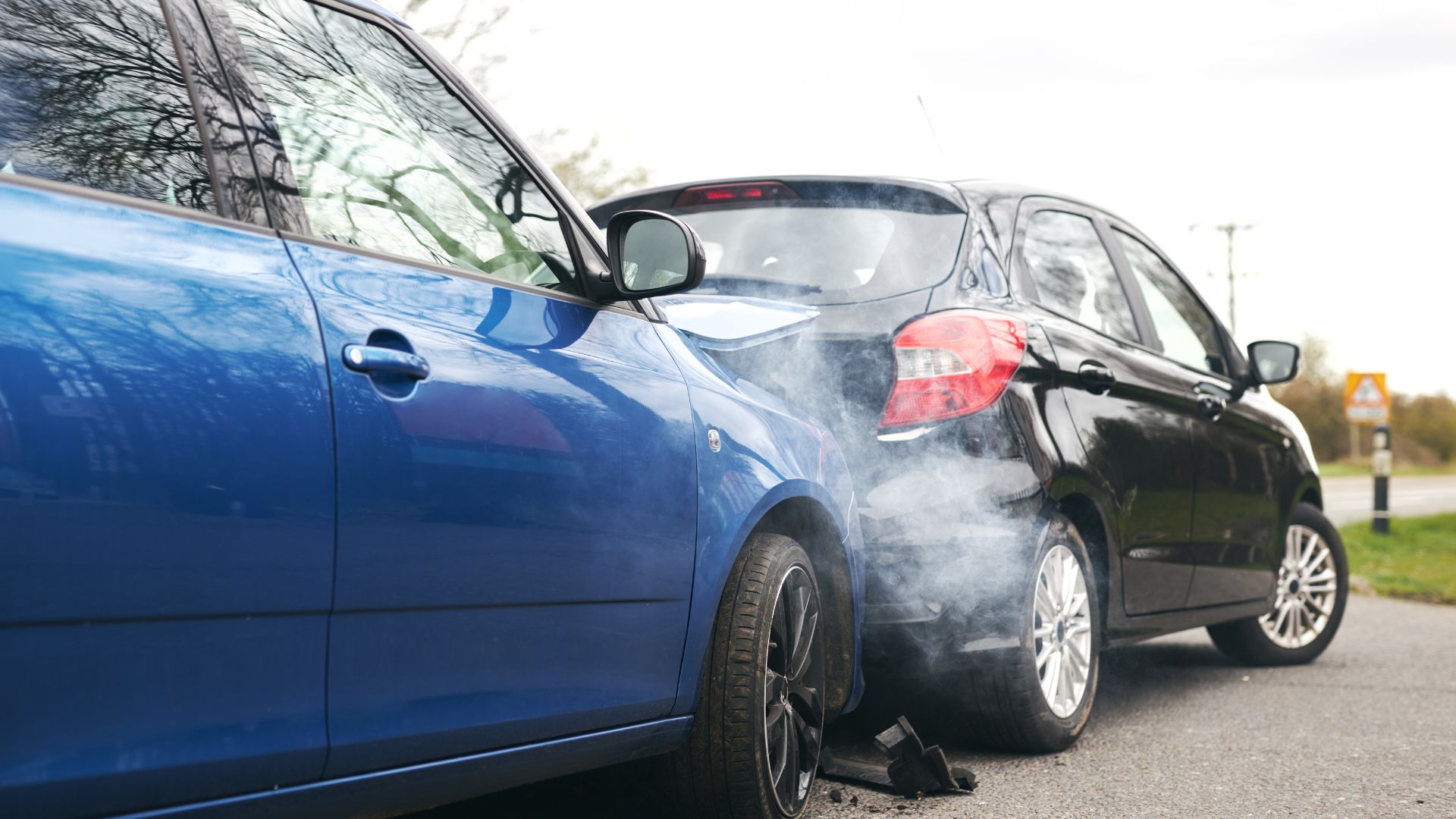
Rear end crashes are the most common accidents associated with bottlenecks. These often occur when traffic comes to an abrupt stop near lane reductions, worksite entrances, or slow-moving trucks. Drivers who are following too closely or are distracted may not have enough time to brake safely.
Sideswipe Accidents During Merges
Lane drops force vehicles to merge quickly, often with limited visibility. Drivers attempting to merge late or aggressively can sideswipe vehicles already occupying the lane, pushing them into adjacent traffic or onto the shoulder.
Chain Reaction and Multi Vehicle Crashes
In congested areas, a single sudden stop can affect dozens of vehicles. Chain reaction crashes occur when multiple drivers brake simultaneously but lack sufficient spacing. These incidents are common during peak traffic surges along Industrial Boulevard and U.S. 277.
Crashes Involving Slow Moving Commercial Vehicles
Gravel trucks, dump trucks, and oversized loads accelerate slowly and require longer stopping distances. When passenger vehicles encounter these trucks unexpectedly, particularly near curves or lane reductions, rear end and sideswipe collisions can occur.
Factors That Increase Crash Risk During Bottlenecks
Several conditions combine to make congestion near the data center corridor particularly dangerous:
- High traffic volume compressed into short time windows
- Temporary lane drops and shifting traffic patterns
- Slow-moving or stopping commercial vehicles
- Driver frustration leading to aggressive maneuvers
- Uneven pavement or debris near construction zones
When these factors overlap, even minor mistakes can lead to serious collisions.
How Liability Is Determined in Bottleneck and Multi Vehicle Accidents
Determining fault in congestion-related crashes often requires detailed investigation. Multiple drivers, commercial vehicles, and roadway conditions may all contribute to the accident.
Comparative Negligence in Texas
Texas follows a modified comparative negligence system. A driver may recover compensation if they are not more than 50 percent at fault. In multi-vehicle crashes, fault is often divided among several parties based on their actions leading up to the collision.
Commercial Vehicle Liability
If a commercial truck contributed to the crash by braking suddenly, merging unsafely, blocking lanes, or traveling at unusually slow speeds without proper warnings, the trucking company may share liability. Commercial drivers are held to higher safety standards due to the size and weight of their vehicles. General safety guidance can be found at txdot.gov.
Construction Contractor Responsibility
Contractors may be responsible if the layout of the work zone created unsafe merging conditions, lacked adequate signage, or forced sudden lane reductions without sufficient warning. Poor traffic control planning can contribute directly to congestion-related crashes.
Municipal Liability
If road design, damaged pavement, or missing signage contributed to the accident, a municipal entity may share responsibility. Claims against public entities involve strict notice deadlines and procedural requirements.
General statutory references related to roadway responsibility are available at statutes.capitol.texas.gov.
How Low Law Firm Investigates Congestion-Related Crashes
Accidents near active construction zones require quick and thorough investigation. Traffic patterns and lane configurations can change daily, and evidence may disappear quickly.
Tara Gilmore-Low and her team focus on identifying every contributing factor, including:
- Photographing lane drops, merge points, and traffic signage
- Documenting skid marks, debris, and vehicle damage
- Reviewing dash camera footage and nearby surveillance video
- Identifying commercial vehicles and contractors involved
- Analyzing traffic flow during peak congestion periods
- Interviewing witnesses and drivers
This approach helps determine how the bottleneck formed and who bears responsibility for the resulting injuries.
What Drivers Should Do After a Bottleneck or Lane Reduction Crash
Drivers involved in accidents near construction-related congestion should act quickly to preserve evidence.
- Call law enforcement and request a crash report
- Photograph the roadway, including lane drops and signage
- Document all vehicles involved, especially commercial trucks
- Save dash camera footage if available
- Seek medical attention, even for minor symptoms
- Avoid discussing the accident with insurance adjusters before consulting an attorney
FAQs
What if traffic stopped suddenly and I hit the vehicle in front of me?
Sudden stops near construction zones are common. Fault may depend on road conditions, signage, and whether other drivers contributed to the slowdown.
What if multiple vehicles were involved?
Multi-vehicle crashes often involve shared responsibility. Texas comparative negligence laws may still allow recovery.
Can a contractor be liable for poor lane markings or signage?
Yes. Contractors have a duty to provide safe traffic control around construction zones.
Do slow-moving commercial trucks affect liability?
They can. If a commercial vehicle created unsafe conditions without proper warning, the trucking company may share responsibility.
Recent Articles

Mar. 27, 2026
How Insurance Companies Investigate Accident Claims After a Serious Injury

Mar. 20, 2026
Who Can File a Wrongful Death Claim in Texas? Understanding Family Rights After a Fatal Accident
Mar. 13, 2026
What Happens When the At-Fault Driver Has No Insurance?
Mar. 06, 2026
What Is Considered Wrongful Death in Texas?

Feb. 27, 2026
Accident Evidence in Texas Injury Claims: What Strengthens or Weakens Your Case
Find Us On The Map
The Low Law Building is located in south Abilene at 7242 Buffalo Gap Rd, on a sprawling 1.5 acres campus with handicap parking.
BUSINESS HOURS:
Monday – Friday : 9:00 AM – 5:00 PM
Saturday – Sunday : Closed